
Short answer: probably not, at least not right away. Whether you need a smart home hub comes down to one simple question — what kind of devices are you buying?
If everything you own connects over plain Wi-Fi, you likely don't need one at all. If you're buying Zigbee or Z-Wave devices — common in sensors, some locks, and budget lighting kits — a hub becomes necessary, not optional.
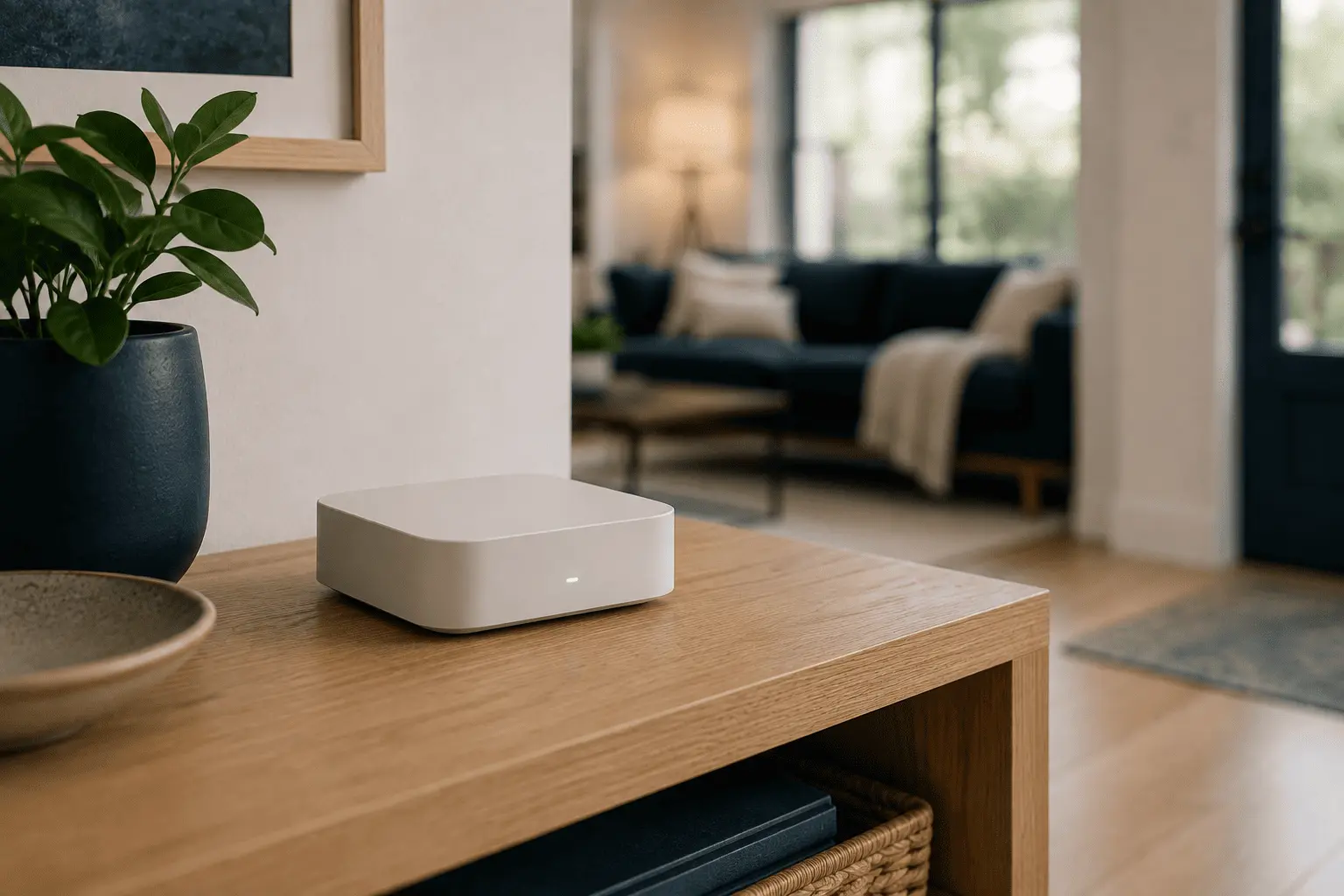
What a smart home hub actually does
A hub's real job is translation and local control. Your phone's app talks to devices over the internet, through the manufacturer's cloud — which works fine until your internet goes down, or until you own devices from five different brands that don't share a common language.
A hub sits on your home network and talks to devices directly, often without needing the internet at all. That means faster response times, automations that keep working during an outage, and one place to manage devices instead of switching between six different apps.
- Local control: automations that don't depend on a company's servers staying online.
- Protocol translation: letting a Zigbee sensor and a Wi-Fi plug show up in the same app.
- Faster response: commands that don't have to round-trip to the cloud and back.
The devices that actually need one
This is the part that actually determines your answer. Smart home devices generally use one of a few different wireless protocols, and only some of them require a hub to function at all:
- Wi-Fi devices: connect straight to your router — no hub required. Most smart plugs, many bulbs, and most budget cameras fall here.
- Zigbee devices: need a Zigbee hub or bridge to function — the device physically cannot connect to your Wi-Fi router directly.
- Z-Wave devices: same situation as Zigbee — a Z-Wave hub is mandatory, not optional.
- Bluetooth devices: work directly with your phone at short range; some need a bridge for remote access.
If you're not sure which protocol a product uses, check the box or listing before buying — it's usually printed clearly, and it's the single most important spec for this decision.
The question isn't "should I get a hub" in the abstract — it's "did I just buy something that requires one."
What you lose by skipping a hub
If you stick entirely to Wi-Fi devices, skipping a hub costs you less than you'd expect — but it's not nothing:
- More app-switching: without a hub acting as a universal front-end, you may end up with several apps instead of one.
- Slower automations: cloud-dependent routines can lag by a second or two compared to local control.
- No offline fallback: if your internet drops, cloud-only devices often stop responding to voice commands or automations entirely.
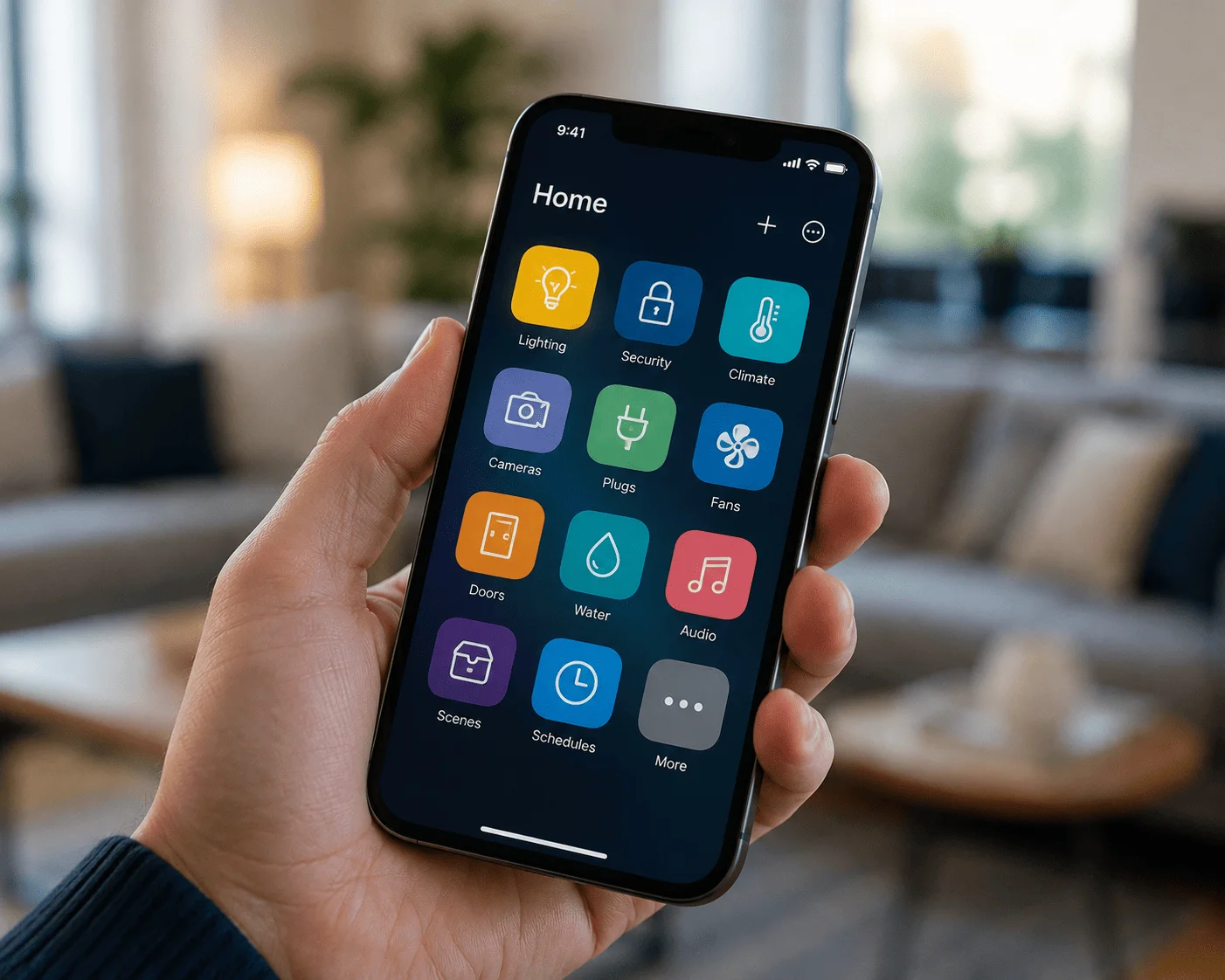
Does Matter change this?
Partly. As we covered in our guide to the Matter smart home standard, Matter-over-Thread devices still need something called a Thread Border Router to join your network — which is functionally a hub, even if it's built into a device you already own, like a newer smart speaker or TV.
So Matter doesn't eliminate the need for a hub-like device for every situation — it mostly changes who provides it, and makes it more likely you already have one without realizing it.
What to look for if you do need one
- Matter and Thread support: keeps you compatible with where the industry is actually headed.
- Local control: confirm automations still run if your internet goes down, not just app access.
- Open ecosystem: avoid hubs that only work with one brand's devices — defeats the point of having one.
Getting started without overbuying
Don't buy a hub speculatively "just in case." Buy your first device, check its protocol, and only add a hub the moment something you own actually requires one. If you're still deciding where to start at all, the small first steps that make the biggest difference is worth reading before you buy anything.